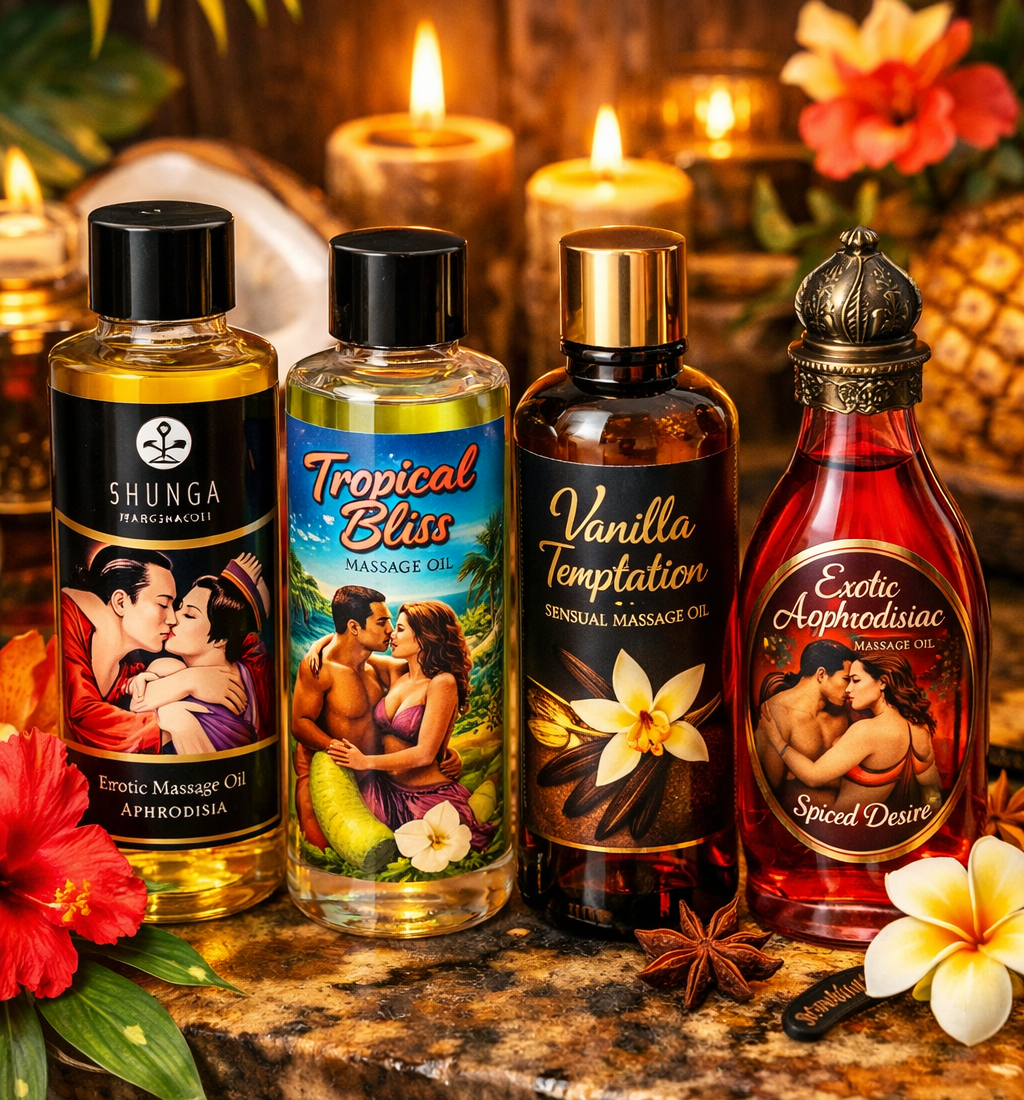
Water-Based vs Silicone-Based Lubricants: Which Is Better?
Water-based vs silicone-based lubricants — which one should you choose? The answer depends on how you plan to use the lubricant, the type of intimate products you’re using, how long you want the lubrication to last, and your personal preferences.
Both water-based and silicone-based lubricants can be useful, but they have different characteristics. Understanding those differences can help you choose a product that is more suitable for your needs.
What Is Personal Lubricant?
Personal lubricant is designed to reduce friction during intimate activity and can make the experience more comfortable.
Lubricants come in several formulations, but two of the most common are water-based and silicone-based.
Neither type is automatically “better.” The right choice depends on the situation.
If you’re unsure where to start, a water-based lubricant is often a versatile option because it is generally easy to clean and works with many types of intimate products.
Water-Based Lubricant
Water-based lubricants are made primarily with water and other ingredients that help provide lubrication.
They are one of the most popular lubricant choices because of their versatility.
Advantages of water-based lubricants
Easy to clean
Water-based formulas can generally be cleaned with water and are less likely to leave a persistent residue.
Versatile
They can be suitable for many intimate situations and are commonly compatible with a wide range of intimate products.
Easy to reapply
Because water-based lubricants can dry or absorb during use, you may need to reapply them when necessary.
Often a good starting point
If you’re new to personal lubricants and don’t have a particular reason to choose another formulation, water-based lubricant can be a practical place to start.
Potential disadvantages
Water-based lubricants may dry more quickly than silicone-based formulas, particularly during longer sessions or when exposed to air.
This doesn’t necessarily mean the lubricant is poor quality. It is simply a characteristic of many water-based formulas.
Silicone-Based Lubricant
Silicone-based lubricants use silicone ingredients to provide longer-lasting lubrication.
They are known for their durability and resistance to water.
Advantages of silicone-based lubricants
Long-lasting lubrication
Silicone formulas generally don’t evaporate or absorb as quickly as water-based lubricants.
Water-resistant
They can be useful in situations involving water because silicone does not wash away as easily as water-based lubricant.
Less frequent reapplication
Because they tend to last longer, you may not need to reapply as often.
Potential disadvantages
Silicone-based lubricants can be more difficult to wash away than water-based formulas.
More importantly, compatibility matters.
Some silicone-based lubricants may not be suitable for use with certain silicone intimate products. Always check the manufacturer’s compatibility instructions before using a lubricant with a particular product.
Water-Based vs Silicone-Based Lubricant: Quick Comparison
| Feature | Water-Based | Silicone-Based |
|---|---|---|
| Easy to clean | Usually yes | Mid difficult |
| Long-lasting | Moderate | Usually longer-lasting |
| Water-resistant | No | Yes |
| Easy to reapply | Yes | Usually less often needed |
| General versatility | High | High, but check compatibility |
| Suitable for many intimate products | Often | Compatibility should be checked |
| May dry during use | More likely | Less likely |
The important thing is that there isn’t one universal winner.
Your preferred formula depends on how and where you intend to use it.
Which Lubricant Is Better for Beginners?
For someone purchasing lubricant for the first time, water-based lubricant is often the simplest starting point.
It is versatile, easy to clean, and available in many different formulas.
Once you understand what you like, you can explore other formulations, including silicone-based lubricants.
However, individual preferences differ, so there is no requirement for everyone to start with water-based lubricant.
Which Lubricant Lasts Longer?
In general, silicone-based lubricants tend to last longer than water-based lubricants.
Water-based formulas can dry more quickly and may require additional application.
Silicone-based formulas generally remain slippery for longer and are less affected by water.
If long-lasting lubrication is your priority, silicone-based lubricant may be worth considering.
Which Lubricant Is Easier to Clean?
Water-based lubricant is generally easier to clean.
Because the formula is water-soluble, cleaning is usually straightforward.
Silicone-based lubricant can require more washing because it is designed to resist water.
If easy cleanup is one of your priorities, water-based lubricant may be the more convenient choice.
Which Lubricant Is Better for Use With Intimate Products?
This is where you should pay close attention to material compatibility.
Water-based lubricant is generally a versatile choice for many intimate products.
With silicone-based lubricant, always check the manufacturer’s instructions, especially when the intimate product itself is made from silicone.
When in doubt, follow the product manufacturer’s compatibility guidance rather than assuming that two silicone products are automatically compatible.
What About Lubricant and Condoms?
Lubricant compatibility with condoms is important.
Water-based lubricants are commonly compatible with latex condoms.
Many silicone-based lubricants are also compatible with latex condoms, but you should always check the lubricant’s packaging and manufacturer’s instructions.
Do not assume compatibility based only on the lubricant’s name.
If the product packaging provides specific instructions, follow those instructions.
Can You Use Lubricant in Water?
This depends on the formula.
Water-based lubricant can wash away relatively quickly in water.
Silicone-based lubricant is more resistant to water and therefore tends to be better suited to water-related situations.
However, if you’re using an intimate product in or around water, you should also check whether the product itself is waterproof or water-resistant.
Never assume that a rechargeable or electronic product is waterproof simply because it appears sealed.
Can You Mix Water-Based and Silicone-Based Lubricants?
It’s generally better to avoid mixing different lubricant formulas unless the manufacturer specifically indicates that they are compatible.
Different formulations can behave differently when combined.
If you’re changing from one lubricant to another, cleaning the area and starting with the new product is the simplest approach.
What About Sensitive Skin?
If you have sensitive skin, ingredient selection becomes particularly important.
Look at the product’s ingredient list and consider choosing a formula specifically designed for sensitive skin.
Avoid products containing ingredients that you already know cause you irritation or discomfort.
If you experience persistent irritation, burning, swelling, or other unusual symptoms, stop using the product and seek appropriate medical advice.
How Much Lubricant Should You Use?
There is no universal amount that works for everyone.
Start with a small amount and apply more when needed.
The appropriate amount depends on:
- The product
- The type of activity
- Your personal preference
- The lubricant formula
- How long the lubricant remains effective
Always follow the manufacturer’s directions.
How Should You Store Personal Lubricant?
Proper storage can help maintain the quality of your lubricant.
Generally:
- Keep the container properly closed.
- Store it according to the manufacturer’s instructions.
- Avoid excessive heat.
- Avoid direct sunlight.
- Check the expiry or best-before information.
- Don’t use a product if its appearance, smell, or texture has changed unexpectedly.
Different formulations may have different storage requirements, so check the packaging.
Water-Based vs Silicone-Based: Which Should You Buy?
Here’s the simplest way to think about it:
Choose water-based if you want:
- Easy cleanup
- A versatile everyday option
- Easy reapplication
- Compatibility with many intimate products
- A good starting point
Consider silicone-based if you want:
- Longer-lasting lubrication
- Greater water resistance
- Less frequent reapplication
But remember:
Always check product compatibility and manufacturer’s instructions before using any lubricant with an intimate product.
Explore Personal Lubricants at Oppsy Store
Oppsy Store offers a selection of personal lubricants in different formulations and sizes.
If you’re unsure which type is suitable for you, start by considering:
Water-based or silicone-based?
Everyday use or longer-lasting lubrication?
Standard formula or sensitive-skin option?
You can browse the Personal Lubricants collection to compare available products and their individual descriptions.
For specific product questions, customers can also contact Oppsy Store for assistance.
Frequently Asked Questions
Is water-based lubricant better than silicone-based lubricant?
Not necessarily. Water-based lubricant is easier to clean and highly versatile, while silicone-based lubricant generally lasts longer and is more water-resistant. The better choice depends on your needs.
Which lubricant lasts longer?
Silicone-based lubricant generally lasts longer than water-based lubricant.
Which lubricant is easiest to wash off?
Water-based lubricant is generally easier to clean.
Can I use water-based lubricant with intimate products?
Water-based lubricant is compatible with many intimate products, but you should always follow the manufacturer’s instructions for the specific product.
Can I use silicone lubricant with a silicone product?
Check the manufacturer’s compatibility instructions first. Some silicone-based lubricants may not be recommended for certain silicone products.
Is water-based lubricant suitable for beginners?
It can be a practical starting point because it is versatile and generally easy to clean.
Which lubricant is better for water?
Silicone-based lubricant generally offers better water resistance than water-based lubricant. However, also check whether the intimate product you’re using is actually waterproof.
How often should lubricant be reapplied?
There is no fixed schedule. Reapply when additional lubrication is needed, following the product’s instructions.
Final Thoughts
Choosing between water-based and silicone-based lubricant doesn’t have to be complicated.
Water-based lubricant is versatile, easy to clean, and a practical option for many customers.
Silicone-based lubricant generally provides longer-lasting lubrication and better water resistance.
Rather than asking which one is universally better, ask:
Which one is better for what I need?
Check the ingredients, product instructions, compatibility information, and your own preferences before making your choice.
And if you’re still unsure, a reputable intimate wellness retailer should be able to help you compare your options without making the decision unnecessarily complicated.